TL;DR
Heavy rain is the best free test your gutters will ever get. From the ground, check for overflow, dripping corners, water behind the gutter, standing water, sagging, loose downspout joints, pooling at downspouts, soil erosion, fresh stains, and debris mats. Photograph what you find. Anything involving sagging, water behind the gutter, or pooling near your foundation deserves a professional look.
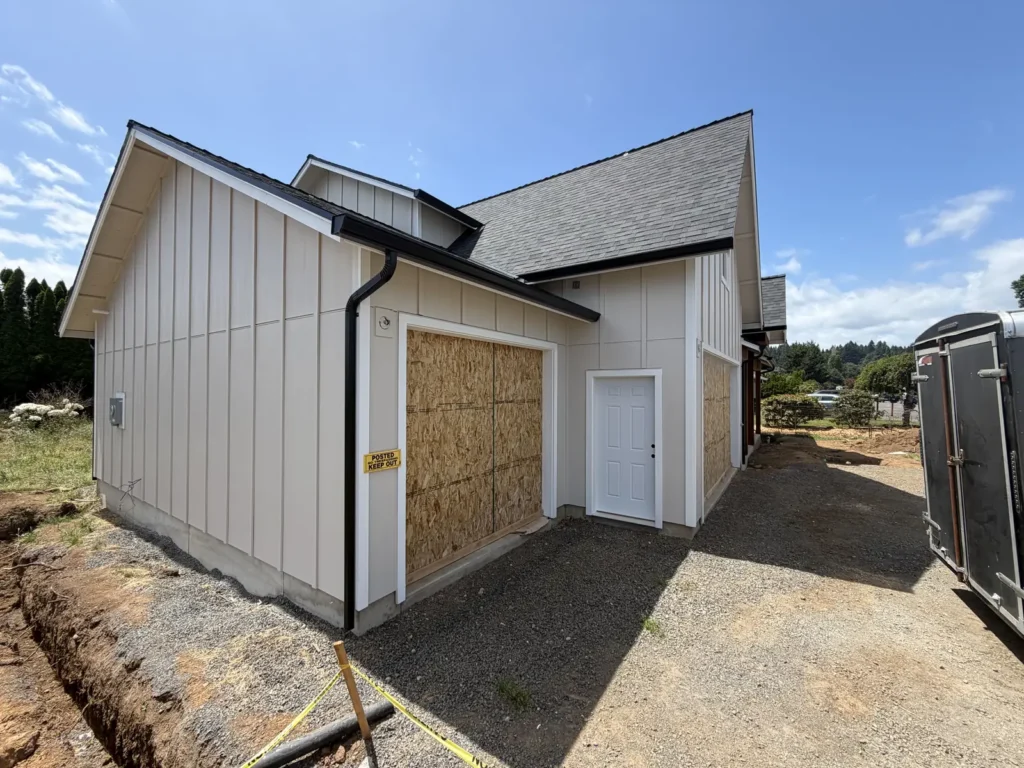
A fall storm in the Portland metro can dump more water on your roof in one afternoon than your gutters handle in a dry month. That is exactly why a gutter inspection after rain is so useful. While the water is still moving, your gutters show you every weak spot: the corner that drips, the section that sags, the downspout that floods the flower bed.
Most homeowners only notice gutter problems after the damage shows up as a damp crawlspace, peeling paint, or a trench in the landscaping. This guide helps you catch those problems first. It is the same walk-around our crews at American Gutter Service use on homes across St. Helens, Scappoose, Portland, and the surrounding communities, based on more than 20 years of gutter work in the Pacific Northwest.
| Safety first: Inspect from the ground. Never climb a ladder in rain, wind, or on wet or soft ground, and keep well clear of power lines. A phone camera on zoom or a pair of binoculars will show you nearly everything on this list. |
In This Blog
Why Rain Is the Best Time to Observe Drainage Problems
Rain is the only time your gutter system is actually doing its job, so it is the only time you can see exactly where it fails. On a dry day, a gutter with a poor slope or a partial clog looks perfectly normal. Add a steady downpour and the problem becomes obvious within minutes.
Moving water reveals three things a dry inspection cannot:
- Flow problems. Overflow and slow drainage only appear when the system is under load.
- Hidden leaks. A failed seam may look intact but drip steadily once water reaches it.
- Where the water ends up. The ground around your home tells you whether downspouts are protecting your foundation or dumping water against it.
Timing matters, so split your inspection into three quick passes:
| When | What to check | Checklist items |
|---|---|---|
| During the storm | Overflow, drips, water behind the gutter, leaking joints | 1, 2, 3, 6 |
| 1 to 2 hours after rain stops | Standing water, pooling at discharge points, sagging | 4, 5, 7 |
| Next dry day | Erosion, splashback, new stains, debris mats | 8, 9, 10 |
How to Inspect Gutters After Heavy Rain: The 10-Point Checklist
1. Front-Edge Overflow
What to look for: Sheets or ribbons of water pouring over the outside edge. Pay close attention to inside corners and spots below roof valleys, where two roof planes send their water to one point.
Why it matters: Overflow drops water right at the base of your house. Over time that means saturated soil against the foundation, washed-out beds, and dirty, water-stained siding.
What to do: Note the exact location. If overflow happens at one spot every storm, the nearest outlet or downspout is probably clogged. If the entire run overflows even when the gutter is clean, the system is likely undersized. Moving from 5-inch to 6-inch seamless gutters or adding a downspout often solves it, and a gutter replacement is the cleanest fix when the whole run is too small.
2. Dripping Corners and End Caps
What to look for: A steady drip under a mitered corner or end cap, or dark streaks running down the fascia directly below those joints.
Why it matters: A drip that seems minor lands in the same spot for years. It softens fascia, rots trim, and leaves stains that are hard to remove.
What to do: Mark each dripping joint on your photos. Small seam leaks can often be resealed, but corners that keep failing may need new mitres. Our guide on why gutters leak explains the common causes, and our team handles professional gutter repair for joints that will not stay sealed.
3. Water Running Behind the Gutter
What to look for: Water trickling between the back of the gutter and the fascia board, a wet fascia face during rain, or drips falling from behind the gutter rather than from its front edge.
Why it matters: This is one of the most damaging problems on the list because it is so easy to miss. Water behind the gutter soaks the fascia, then the soffit, and can eventually reach roof sheathing and wall framing.
What to do: Call a professional. The fix is usually flashing that bridges the gap between the roof edge and the gutter, sometimes combined with resetting the gutter. See our gutter repair services for details.
| Spotted Water Behind Your Gutters? Our St. Helens-based crew diagnoses and repairs leaks, flashing gaps, and loose gutters across the Portland metro. Get a Free Gutter Repair Estimate Or call (503) 308-1174 |
4. Standing Water After the Rain Stops
What to look for: From an upstairs window or with binoculars, look for puddles or shiny low spots along the gutter. Gutters are generally pitched about 1/4 inch for every 10 feet of run toward the downspout, so water should clear fairly quickly.
Why it matters: Standing water adds constant weight to hangers, speeds up corrosion, and gives mosquitoes a place to breed. During a winter cold snap it can freeze and stress the seams.
What to do: Clear any debris first. If water still pools in the same spot, the gutter needs to be re-pitched, which is a job for a professional with the right tools.
5. Sagging or Movement
What to look for: A wavy line along the gutter, gaps between the gutter and fascia, hangers that are bent or backing out, or a section that moves in the wind.
Why it matters: Sagging only gets worse. Each storm adds more weight to fewer working hangers, and a fully loaded gutter can tear loose and damage the fascia on its way down.
What to do: Have it re-secured. Hangers are commonly spaced about every 24 to 36 inches, and tighter spacing helps in heavy-rain climates. Isolated sags are a gutter repair job. If sagging shows up along multiple runs or the fascia behind it is soft, gutter replacement is often the better value.
6. Loose Downspout Joints
What to look for: Water spraying from elbows or seams, straps that have pulled free from the wall, or sections that have slipped apart.
Why it matters: A leaking downspout dumps water against the siding and foundation, which defeats the purpose of having one.
What to do: Upper sections should slide inside lower sections so water flows downward past each joint. Refasten loose straps if you can reach them safely from the ground. For misassembled, crushed, or undersized downspouts, professional downspout installation is the long-term fix.
7. Water Collecting at Discharge Points
What to look for: Pooling, soggy lawn, or mud at downspout outlets, especially on the side of the house closest to a basement or crawlspace.
Why it matters: Water that collects near the foundation is one of the most common causes of damp crawlspaces in the Pacific Northwest. It can also lead to settling and cracking over time.
What to do: Extend the discharge away from the house. As a reference point, Portland Bureau of Environmental Services downspout disconnection guidance calls for discharge at least 6 feet from basement walls and 2 feet from crawlspace or slab foundations. Local rules vary, so check with your city. Extensions and splash blocks help, and re-routed or added downspouts through our downspout installation service solve chronic pooling.
| Is Water Pooling Near Your Foundation? We install and re-route downspouts so rainwater goes where it should: away from your home. Book Downspout Service Or call (503) 308-1174 |
8. Soil Erosion or Splashback
What to look for: A line of erosion directly under the gutter edge, or a washed-out hole at a downspout outlet. Look for mud splatter on the lower siding and foundation.
Why it matters: Erosion under the gutter line tells you overflow is happening even if you missed it during the storm. Erosion at the outlet means the downspout needs a splash block or extension.
What to do: If the erosion runs along the gutter line, go back to Item 1 and find the cause of the overflow. If it is at the outlet, add a splash block or extension and refill the washed-out soil.
9. New Stains on Fascia or Siding
What to look for: Streaks that were not there before the rain, peeling or bubbling paint, and dark vertical stripes on the gutter face itself, often called tiger striping, which usually signals repeated overflow.
Why it matters: Stains are the paper trail of a leak. Left alone, the moisture behind them leads to rot and costly trim replacement.
What to do: Compare with older photos of your home if you have them. Match each stain to the joint or edge directly above it, then use our guide on why gutters leak to narrow down the cause. Soft or crumbling wood needs professional attention.
10. Debris Mats Over Guards or Outlets
What to look for: Brown mats on top of guards, overflow at spots where guards are installed, or a downspout that barely trickles during heavy rain.
Why it matters: Pacific Northwest homes deal with Douglas fir needles, maple leaves, and roof moss that can mat down and seal off guards and outlets.
What to do: Clear the debris if you can do so safely, or schedule a cleaning. If your guards clog repeatedly, they may not be designed for fine needles, and a different guard style could be a better match for your trees.
Gutter Storm Damage Quick Reference
Use this table to decide what needs attention first after you check gutters after a storm.
| Sign | Most likely cause | Urgency | Next step |
|---|---|---|---|
| Front-edge overflow | Clog, undersized gutter, valley runoff | Medium | Clean or upsize |
| Dripping corners/end caps | Failed sealant, separated seams | Medium | Reseal or repair |
| Water behind gutter | Missing flashing, gutter pulled away | High | Professional repair |
| Standing water | Poor slope, partial clog | Medium | Clean, then re-pitch |
| Sagging or movement | Failed or widely spaced hangers | High | Re-secure or replace |
| Loose downspout joints | Separated sections, loose straps | Medium | Refasten or replace |
| Pooling at discharge | Short or missing extension | High | Extend or re-route |
| Erosion or splashback | Overflow or bare outlet | Low to Medium | Splash block, find overflow |
| New stains | Active leak or overflow | Medium | Trace to source |
| Debris mats | Clogged guards or outlets | Medium | Clean or change guard type |
What to Photograph Before Calling a Contractor
Clear photos help a gutter contractor diagnose the problem faster and give you a more accurate estimate, sometimes before anyone visits your home. Capture these shots, ideally while it is still raining or right after:
- A wide shot of each side of the house showing the full length of every gutter run.
- Close-ups of every leak, drip, or overflow point. Rain in the shot is a bonus.
- A 10 to 15 second video of overflow or a leaking joint in action. Video shows volume in a way photos cannot.
- Each downspout from top to bottom, including where it discharges.
- Pooling or erosion at ground level, with an everyday object in frame for scale.
- Stains, peeling paint, or damaged fascia below the gutter line.
- Sagging sections shot from the end of the run, looking down the length of the gutter.
- Any interior clues, such as crawlspace moisture or ceiling stains near exterior walls.
Label each photo with the side of the house (front, back, north, south) and the date of the storm. That simple step saves a lot of back-and-forth when you request an estimate.
Frequently Asked Questions About Gutter Inspection After Rain
How soon after heavy rain should I inspect my gutters?
Check once during the storm for overflow and leaks, again 1 to 2 hours after the rain stops for standing water and pooling, and a final time on the next dry day for stains and erosion.
Is it safe to check gutters during a storm?
Yes, as long as you stay on the ground. Never use a ladder in rain, wind, or on wet ground. Binoculars or a phone camera on zoom work well for spotting problems from below.
What does gutter storm damage look like?
Common gutter storm damage includes dents from falling branches, bent or pulled hangers, separated seams, crushed or detached downspouts, and gutter sections pulling away from the fascia.
Is it normal for some water to stay in my gutters?
A thin film or a few drops is normal. Puddles that remain more than an hour or so after the rain stops usually point to a slope problem or partial clog.
Should I repair or replace my gutters after a storm?
Repair makes sense for isolated leaks, a loose section, or a single sag. Replacement is usually the better value when problems appear along multiple runs, the gutters are undersized, or the fascia behind them is damaged. Compare options on our gutter repair services and gutter replacement pages.
Does homeowners insurance cover gutter storm damage?
It depends on your policy. Sudden damage, such as a tree limb crushing a gutter, is often treated differently from wear, rust, or clogs. Check with your insurance provider, and keep dated photos of the damage.
How often should gutters be inspected in Oregon?
A good rule is at least twice a year, typically late spring and fall, plus a quick check after any major storm. Homes surrounded by fir or maple trees may need more frequent attention.
The Bottom Line
A 15-minute gutter inspection after rain can prevent thousands of dollars in fascia, siding, and foundation repairs. Walk the house during and after the next storm, work through the 10 checks above, and photograph anything that looks off. Small issues like a loose strap or a clogged outlet are easy wins. Water behind the gutter, sagging, and pooling near the foundation are signs to bring in a professional before the next storm makes them worse.
| Get Your Gutters Ready for the Next Storm American Gutter Service has protected homes in St. Helens, Portland, and nearby communities for over 20 years. 5-star rated on Google. Schedule Your Free Estimate Or call (503) 308-1174 |