
Quick Answer
Gutters most commonly leak due to clogs, cracked sections, failed joint sealant, improper slope, rust holes, loose hangers, or damaged end caps. Most gutter leaks can be fixed with basic tools and sealant, though severe damage or sagging may require professional repair or full gutter replacement.
In This Blog
What Causes Gutters to Leak?
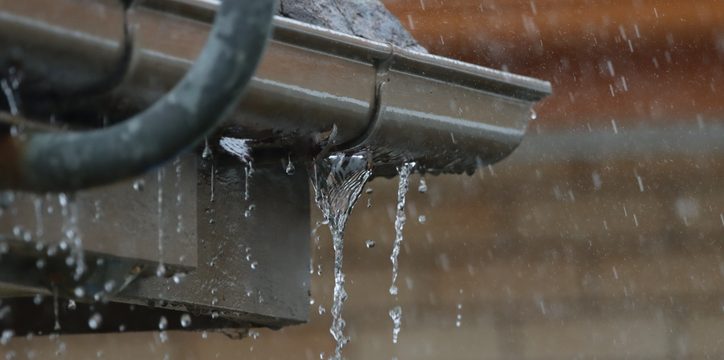
You notice a steady drip from your gutter during a rainstorm, or maybe you spot water stains creeping down your siding. Either way, leaking gutters are more than a minor nuisance. Left unaddressed, they can lead to foundation damage, basement flooding, rotting fascia boards, and landscape erosion.
The good news? Most gutter leaks stem from a handful of predictable problems, and many of them are fixable without calling a professional. Understanding why your gutters are leaking is the first step toward protecting your home from costly water damage.
In this guide, we’ll walk through the 7 most common causes of leaking gutters, show you how to diagnose each issue, and explain exactly how to fix them, whether you’re tackling the repair yourself or deciding it’s time to call in a gutter repair specialist.
The 7 Most Common Causes of Leaking Gutters
1. Clogged Gutters and Downspouts
Clogs are the number one reason gutters leak. When leaves, twigs, shingle granules, and other debris accumulate inside your gutters, water has nowhere to go. Instead of flowing toward the downspouts, it pools behind the blockage and eventually overflows or backs up under the roofline.
Signs of clogged gutters:
• Water spilling over the gutter edges during rain
• Plants or weeds growing inside the gutter trough
• Sagging gutter sections from the weight of trapped debris and water
• Staining or discoloration on your fascia or siding directly below the gutter
How to fix it: Start by scooping out visible debris by hand or with a gutter scoop. Flush the entire gutter system with a garden hose, working from the end opposite the downspout. If water doesn’t drain freely, the downspout is likely clogged — use a plumber’s snake or high-pressure nozzle to clear it.
Prevention Tip
Schedule gutter cleaning at least twice per year, once in late spring and once in late fall after the leaves have dropped. Installing gutter guards significantly reduces debris buildup between cleanings. Learn more about our gutter guard installation options for Oregon homes.
2. Cracked or Damaged Gutter Sections
Over time, gutters endure constant exposure to UV radiation, temperature fluctuations, and physical impact from falling branches or heavy ice loads. This wear can cause cracks, splits, or holes in the gutter material, particularly in vinyl and aluminum gutters.
Small hairline cracks might seem insignificant, but they widen with each freeze-thaw cycle. Even a tiny crack can allow water to seep behind the gutter and damage your fascia board and soffit.
Signs of cracked gutters:
• Visible cracks or splits along the gutter trough or bottom
• Dripping from the middle of a gutter section (not at a joint)
• Water stains directly below a specific spot on the gutter
How to fix it: For small cracks (under 1/4 inch), clean the area thoroughly and apply a waterproof gutter sealant. For larger cracks or holes, use a gutter patch kit: apply sealant around the damaged area, press a metal or fiberglass patch over it, and seal the edges. If an entire gutter section is severely cracked, replacing that section is the more reliable solution.
3. Failed Gutter Joints and Seams
Gutter joints are among the most leak-prone points in any gutter system. Sectional gutters (the most common type in residential homes) are assembled from individual pieces joined together with connectors and sealant. Over the years, the sealant at these joints deteriorates from thermal expansion, water exposure, and age.
When joint sealant fails, water seeps through the connection point. This is one of the most common reasons why your gutter is leaking at specific points rather than along its entire length.
Signs of failed joints:
• Dripping or leaking at a visible seam where two gutter sections meet
• Rust or discoloration forming at gutter joints
• Visible gaps between gutter sections
How to fix it: Disassemble the leaking joint if possible. Clean away all old sealant with a putty knife and wire brush. Apply a fresh bead of gutter sealant (look for a product rated for outdoor and wet conditions). Reassemble the joint and allow the sealant to cure per the manufacturer’s instructions before testing with water.
Pro Tip
If joint failures are a recurring problem, consider upgrading to seamless gutters. Seamless gutters are custom-fabricated in one continuous piece, eliminating most joint-related leaks entirely. Our seamless gutter installation service custom-forms them on-site to fit your exact roofline.
4. Improper Gutter Slope (Pitch)
Gutters aren’t supposed to be perfectly level. They require a slight downward slope, typically about 1/4 inch of drop for every 10 feet of gutter run to direct water toward the downspouts. When gutters are installed incorrectly or settle over time, they lose this pitch.
Without the correct slope, water pools in low spots instead of draining. This standing water adds extra weight that can pull hangers loose, accelerate rust formation, and eventually cause overflows that look like gutter leaks.
Signs of improper slope:
• Standing water remaining in the gutter long after rain stops
• Visible sag or dip in the gutter line when viewed from the ground
• Overflow during moderate rainfall even though gutters appear clean
How to fix it: Use a level or string line to check the slope along the entire gutter run. If the slope is off, adjust the gutter hangers to restore the correct pitch. In most cases, this means removing select hangers, repositioning them slightly higher or lower, and reattaching them. For long gutter runs (over 35 feet), add a second downspout and slope gutters from the center toward both ends.
5. Rust Holes and Corrosion
Steel and galvanized gutters are particularly vulnerable to rust over time. Even aluminum gutters can develop corrosion if the protective finish wears away. Rust weakens the metal until small holes form, allowing water to drip through, a common cause of leaking gutters on older homes.
Standing water from clogs or poor slope dramatically accelerates corrosion. Areas where dissimilar metals meet (for example, steel gutters with aluminum downspouts) can also create galvanic corrosion.
Signs of rust and corrosion:
• Visible orange-brown discoloration on the gutter surface
• Flaking or peeling finish on metal gutters
• Small pinhole leaks along the gutter bottom
How to fix it: For minor rust spots, sand the affected area with fine-grit sandpaper, apply a rust-inhibiting primer, and seal with gutter sealant. Patch small holes with a metal patch kit and sealant. If corrosion is widespread across multiple sections, full gutter replacement with a corrosion-resistant material like aluminum or copper is the most cost-effective long-term solution.
6. Loose or Missing Gutter Hangers
Gutter hangers are the brackets or fasteners that secure your gutters to the fascia board. When hangers loosen, pull away from the fascia, or break, the gutter sags and pulls away from the roofline. This creates a gap between the gutter and the drip edge where water pours behind the gutter instead of flowing into it.
Heavy snow loads, ice dams, accumulated debris, and even ladders leaned against gutters can knock hangers loose. In older installations, the original nails or screws may simply lose their grip over time as fascia wood softens. If you’re noticing your gutter pulling away from the fascia, it’s important to determine whether the issue is loose hardware or rotted fascia wood, the fix is different for each.
Signs of loose hangers:
• Gutters visibly pulling away from the fascia or roofline
• Water running behind the gutter rather than inside it
• Sagging or uneven gutter line
• Nails or screws visible on the ground below the gutters
How to fix it: Replace loose or damaged hangers with new ones, spacing them every 2 to 3 feet for adequate support. If the fascia wood has rotted where the old hangers were mounted, install the new hanger in a fresh location or repair the fascia first. Upgrade from spike-and-ferrule style hangers to hidden hanger brackets for a stronger, more secure hold.
7. Damaged or Unsealed End Caps
End caps seal the open ends of your gutters to prevent water from draining out the sides. Over time, the sealant holding end caps in place can dry out, crack, or fail completely. When this happens, water escapes from the gutter ends, often pouring directly down the side of your home.
This issue is frequently overlooked because homeowners assume leaking gutters are only caused by problems in the middle of the gutter run. But if you notice water dripping from the very end of your gutter, a failed end cap seal is almost certainly the culprit. Similarly, gutter outlets need to be sealed properly to prevent leaks where the downspout connects.
Signs of end cap failure:
• Water dripping or streaming from the end of the gutter
• Visible gap between the end cap and the gutter trough
• Rust or sealant residue around the end cap area
How to fix it: Remove the old end cap, scrape away all dried sealant, and clean both surfaces. Apply a generous bead of gutter sealant to the inside edge of the end cap, press it firmly into place, and apply additional sealant along the interior seam. Allow to cure fully before exposing to water.
How to Diagnose Where Your Gutter Is Leaking
Finding the exact source of a gutter leak saves you time and money by letting you target the repair instead of guessing. Here’s a simple, step-by-step process to pinpoint the problem:
Step 1: Wait for dry weather. You need the gutters to be completely dry before inspecting and testing.
Step 2: Visual inspection from below. Walk the perimeter of your home and look for water stains, discoloration, or mineral deposits on the fascia, siding, or foundation. Note where these signs appear.
Step 3: Inspect from a ladder. Safely position a ladder and examine the gutter trough. Look for debris buildup, visible cracks, gaps at joints, rust spots, loose hangers, and damaged end caps.
Step 4: Run a water test. Have someone run a garden hose at the far end of each gutter run while you watch from below. Start with low water pressure and gradually increase. Note exactly where water escapes the gutter system.
Step 5: Check the downspouts. Ensure water is flowing freely through each downspout and exiting at the base. If water backs up or barely trickles out, there’s a blockage inside.
Safety First
Always use a sturdy ladder on level ground, and have a spotter when working at height. If your gutters are on a multi-story home or the roof pitch is steep, consider hiring a professional for the inspection.
DIY Gutter Leak Repair vs. Hiring a Professional
Some gutter leak repairs are straightforward enough for a confident homeowner, while others warrant professional expertise. Not sure which route is right for you? Our guide on whether it’s cheaper to repair or replace your gutters breaks down the costs in detail.
| Issue | DIY Feasibility | When to Call a Pro |
| Clogged gutters | Easy — hand-clean and flush | Multi-story home or persistent clogs |
| Small cracks/holes | Easy — sealant or patch kit | Widespread cracking |
| Failed joint sealant | Moderate — remove, clean, reseal | Joints failing repeatedly |
| Improper slope | Moderate — adjust hangers | Major re-pitching needed |
| Rust/corrosion | Moderate — sand, prime, patch | Extensive rust or replacement |
| Loose hangers | Easy — replace brackets | Rotted fascia requiring repair |
| End cap failure | Easy — reseal with sealant | End cap structurally damaged |
If you’d prefer expert help, our gutter repair services team handles everything from simple seal repairs to full system overhauls across the Portland metro area.
How to Prevent Gutter Leaks Before They Start
Preventing leaking gutters is far more cost-effective than repairing water damage after the fact. Here are the most impactful preventive measures:
Clean gutters regularly. This single habit prevents the majority of gutter problems. Aim for at least two cleanings per year, or more if you have overhanging trees.
Install gutter guards. Mesh or micro-mesh gutter guards significantly reduce debris buildup. While no guard system eliminates cleaning entirely, it does extend the time between cleanings, especially important in Oregon where pine needles and moss are constant challenges.
Inspect gutters every season. A quick visual check each season helps catch small issues, a loose hanger, a developing crack before they become expensive problems.
Trim overhanging branches. Branches extending over your roof shed leaves directly into your gutters and can cause physical damage during storms.
Ensure proper downspout drainage. Downspout extensions should direct water at least 4 to 6 feet away from your foundation. Poor drainage at the outlet can cause water to pool near the foundation, mimicking the damage caused by gutter leaks.
Address repairs promptly. A small crack or failing seal fixed today costs a few dollars. Left alone for a season, it can lead to fascia rot, foundation issues, and hundreds or thousands of dollars in repair costs.
Frequently Asked Questions About Leaking Gutters
Can leaking gutters cause foundation damage?
Yes. When gutters leak, water pours directly along your foundation instead of being channeled away through downspouts. Over time, this concentrated water flow can erode soil around the foundation, cause basement flooding, and even lead to foundation cracks. The International Association of Certified Home Inspectors identifies gutter problems as one of the leading contributors to foundation water damage in residential homes.
How much does it cost to repair leaking gutters?
DIY gutter leak repairs typically cost between $5 and $25 for sealant and patch materials. Professional gutter repair usually ranges from $75 to $250 per repair, depending on the issue and accessibility. Full gutter replacement runs $4 to $30 per linear foot depending on material (vinyl, aluminum, steel, or copper). For Portland-area pricing, see our detailed breakdown of how much new gutters cost in Portland.
Why do my gutters leak at the corners?
Gutter corners (miters) are high-stress joints where two sections meet at an angle. The sealant at these joints degrades faster than at straight seams because corner joints flex more with temperature changes. Resealing with a flexible, waterproof gutter sealant typically resolves corner leaks.
Should I repair or replace leaking gutters?
Repair individual problems like isolated cracks, a single failed joint, or loose hangers. Consider full replacement when gutters show widespread rust, multiple failing seams, persistent sagging despite hanger replacement, or when they’re more than 20 years old. If you’re considering an upgrade, there are 5 reasons to install seamless gutters that make them a particularly worthwhile investment. Also, if a roof replacement is in your near future, read our guide on removing gutters during roof replacement to potentially bundle the projects and save.
Do gutter guards prevent leaks?
Gutter guards prevent clogs, which are the leading cause of gutter leaks. However, guards don’t prevent leaks caused by cracked sections, failed joints, rust, or loose hangers. Think of gutter guards as an important preventive measure for one specific type of leak, not a universal solution.
How often should I inspect my gutters?
Inspect your gutters at least twice per year, ideally in spring and late fall. You should also inspect them after any major storm that brings heavy rain, high winds, or significant snowfall. Homes surrounded by trees may benefit from quarterly inspections.
Need Professional Gutter Repair in Portland?
If your gutters are leaking and you’d rather leave the repair to the experts, American Gutter Service is here to help. With 20+ years of experience and 120+ five-star Google reviews, we specialize in gutter repair, replacement, and maintenance throughout the Portland metro area.

Comments are closed